Source Custom Shape Beverage Cup Cover for Lids, Covers, and Holders
Find 30 listings for custom shape beverage cup cover options including silicone lids and neoprene holders. Compare specifications like temperature range, material, and packaging from suppliers in China to find the right fit for your needs.
Key considerations
Products List


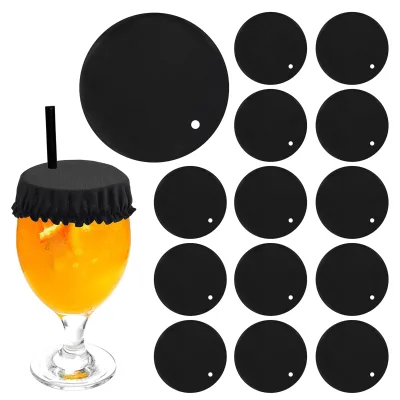


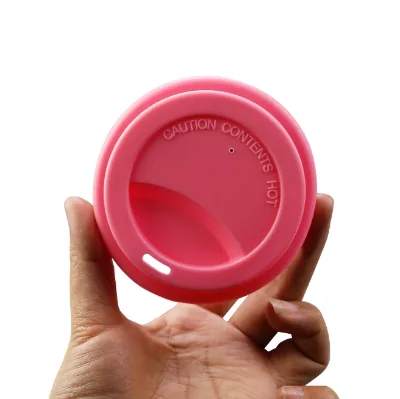


$0.55 - $0.65
Moq: 1000


Comprehensive Sourcing Guide
Strategic Sourcing Guide for Custom Shape Beverage Cup Covers
Understanding Product Variants and Core Specifications
When sourcing custom shape beverage cup covers, buyers must first navigate the distinct product categories that exist within the market, as the term often encompasses both simple lids and more complex insulating holders. The supplied data indicates a clear divergence in product definitions. One primary category is the "Silicone Cup Cover," characterized by its flexibility and specific temperature resistance. These items are often identified by model numbers such as YB-ty-13 or YB-SB-137. The material composition is a critical differentiator; silicone is the dominant material for direct-contact covers, offering a temperature range of -40 to 230 degrees Celsius. This wide thermal tolerance suggests suitability for both hot and cold beverages, a vital specification for buyers targeting diverse menu items.
In contrast, another significant segment involves insulating beverage holders, such as the "Silicone Cup Lid" or "Wine Holder" variants. These products, often associated with models like B001, B002, and B004, utilize different materials like neoprene to provide thermal insulation. While the silicone covers focus on sealing and temperature resistance, the neoprene-based holders prioritize heat retention, with some specifications noting a cold time of greater than six hours. The construction of these holders varies, with some featuring a "Lace-up" closed way or a combination of "Laces & Zipper." Buyers must distinguish between a simple lid that seals a cup and a holder that encases the cup for transport. The presence of handles in certain models, such as the one with model number YB-SB-301, further complicates the classification, indicating a product designed for carrying rather than just covering.
The customization aspect is a central feature across these categories. The data confirms that customization is available for these products, allowing buyers to tailor the shape and branding to their specific needs. However, the "custom shape" requirement must be aligned with the material properties. Silicone offers high moldability, making it ideal for unique contours, whereas neoprene relies on stitching and lining, such as aluminum lining, to achieve its form. Understanding these structural differences is the first step in defining the exact procurement requirement, ensuring that the buyer does not inadvertently order a simple lid when an insulated carrier is needed, or vice versa.
Compliance, Certification, and Material Safety
For beverage-related products, particularly those involving food contact, compliance and certification are non-negotiable elements of the sourcing process. The supplied facts highlight several key certifications that buyers should look for to ensure product safety and market eligibility. Specifically, the data references Test Reports, LFGB, FDA, and SGS certifications. These are not merely marketing terms but represent specific regulatory hurdles that a supplier must clear. LFGB (Lebens- und Futtermittelgesetzbuch) is a German standard that is often stricter than general international norms, making it a strong indicator of quality for European markets. FDA compliance is essential for the United States market, ensuring the material does not leach harmful substances into food or drink.
The material composition plays a direct role in certification. The silicone products listed are associated with these food-grade certifications, which is consistent with the general knowledge that food-grade silicone must pass rigorous migration tests. The presence of an SGS standard in the product data further reinforces the need for third-party verification. Buyers should verify that the "Test Report" mentioned in the product attributes is current and covers the specific batch or production run they intend to purchase. It is critical to note that while the data lists these certifications, they are attributes of specific listings and not necessarily a universal guarantee for every product in the category. Therefore, procurement teams must request the actual documentation for the specific models, such as YB-SB-137 or B002, to confirm that the certification applies to the exact material and design being ordered.
Furthermore, the "prod_standard" field in the data sometimes lists "standard" or specific entity names like "SGS." This variability underscores the importance of verifying the exact standard applicable to the product. For instance, a product intended for "Bottle, Beer, Wine and so on" must meet specific standards for those applications. Buyers should not assume that a certification for one model applies to another, even if they share a similar name. The verification process should include checking the scope of the certification to ensure it covers the specific use case, such as high-temperature resistance for hot beverages or cold retention for chilled drinks.
Cost Drivers and Pricing Dynamics
The economic landscape of sourcing custom beverage cup covers is influenced by several distinct factors, primarily material costs, customization complexity, and order volume. The observed price range in the market data is between 0.01 and 3 USD, a wide spectrum that reflects the diversity of products from simple silicone lids to more complex insulated holders. The lower end of this range likely corresponds to basic, non-customized or minimally customized silicone covers, while the higher end may include products with advanced features like thermal insulation, handles, or complex branding.
Material costs are a primary driver. Silicone is generally more expensive than basic plastics but offers superior durability and safety, justifying a higher price point for food-grade applications. Neoprene, used in the insulated holders, adds another layer of cost due to the additional processing required for stitching and lining. The "Gross Weight" of the products, ranging from less than 0.5 kg to 1 kg, also impacts shipping costs, which are a significant component of the total landed cost for international buyers. Products with higher weight or bulkier packaging, such as those packed in cartons of 200 or 500 pieces, will incur higher freight charges.
Order volume is another critical cost driver. The Minimum Order Quantity (MOQ) observed in the data ranges from 50 to 100,000 units. Some listings indicate "No Limitled" for MOQ, suggesting flexibility for smaller buyers, while others may have higher thresholds for custom shapes. Customization itself adds to the cost; creating a unique mold for a "custom shape" requires an upfront investment in tooling, which is often amortized over the order quantity. Buyers should be aware that while the unit price may drop with volume, the initial setup costs for custom shapes can be substantial. Additionally, the "Sample Time" of 5-7 days indicates that the prototyping phase is relatively quick, but the transition from sample to mass production involves lead times that vary based on the supplier's capacity and the complexity of the design.
Typical Applications and Usage Scenarios
The versatility of custom shape beverage cup covers allows them to serve a wide array of applications across different industries. The data explicitly mentions uses such as "Bottle & Red Wine," "Cans, Wine & Drink," and "Promotion." This indicates that these products are not limited to simple coffee cups but extend to wine glasses, beer bottles, and promotional merchandise. The "Silicone Cup Cover" with its high temperature range is ideal for hot beverages like coffee, tea, and hot chocolate, protecting hands from heat while maintaining a seal. Conversely, the "Insulated" holders with neoprene construction and aluminum lining are designed for cold beverages, keeping drinks chilled for extended periods, as evidenced by the ">6h" cold time specification.
Promotional use is a significant application area. The data notes that printing methods such as "Silk-Screen, Heat Transfer, Sublimation" are available. This makes these products attractive for corporate branding, event giveaways, and marketing campaigns. A company might order custom-shaped cup covers featuring their logo to distribute at trade shows or as part of a branded merchandise kit. The "Style" of the product, such as the "Wine Holder," suggests a niche application for the hospitality industry, where servers need to transport multiple drinks securely. The "Single Compartment" design of some holders indicates they are meant for individual servings, while the "Closed Way" options like "Lace-up" or "Zipper" offer different levels of security for the contents.
The "Disposable" attribute is listed as "Non-Disposable" for the insulated holders, emphasizing their reusability. This aligns with growing environmental concerns and the shift away from single-use plastics. Buyers targeting eco-conscious markets should prioritize these durable, reusable options. The "Bearing Capacity" of 3-10 kg for certain holders suggests they are robust enough to carry multiple items or heavy bottles, making them suitable for commercial settings like cafes or catering services. Understanding these specific use cases helps buyers align their product selection with their target market's needs, whether it is for high-volume retail, specialized hospitality, or corporate gifting.
Supplier Evaluation and Operational Capabilities
Evaluating suppliers for custom beverage cup covers requires a deep dive into their operational capabilities, geographic location, and logistical readiness. The data indicates that the majority of these products originate from China, with specific mentions of Guangdong, Dongguan, and Guang Dong. These regions are known for their robust manufacturing ecosystems, particularly in silicone and textile processing. Buyers should verify the specific location of the supplier, as Dongguan, for example, is a hub for precision manufacturing and often hosts factories with advanced molding capabilities.
Logistical factors are equally important. The "Shipping" method for mini orders is noted as "International Express," which is suitable for small sample orders or urgent restocks. However, for larger volumes, sea freight is typically more cost-effective. The "Sample Time" of 5-7 days is a positive indicator of a responsive supply chain, allowing buyers to quickly validate product quality before committing to a large order. Buyers should also assess the supplier's capacity to handle the "Gross Weight" and "Capacity" requirements, ensuring they can manage the physical logistics of the products.
The "prod_packing" details, such as "1PCS/OPP," "1 PC/Polybag," or "200PCS/CTN," provide insight into the supplier's packaging standards. Consistent and protective packaging is crucial to prevent damage during transit, especially for items with delicate features like zippers or lace-ups. Buyers should request samples to inspect the packaging quality and ensure it meets their retail or distribution requirements. Additionally, the "Standard" field, which sometimes lists "For Bottle, Beer, Wine and so on," suggests that suppliers may have experience in specific niches. Verifying this experience through past projects or client references can help ensure the supplier understands the specific requirements of the buyer's application.
Quality Control and Long-Term Procurement Considerations
Maintaining consistent quality in custom shape beverage cup covers requires a rigorous quality control (QC) framework. Given the variation in materials and certifications, buyers must establish clear QC protocols that cover material integrity, dimensional accuracy, and functional performance. The "Test Report" and certifications like FDA and LFGB serve as the baseline, but ongoing QC should include random sampling of production batches to verify that the silicone or neoprene meets the specified temperature ranges and insulation properties. For products with moving parts, such as "Laces & Zipper" closures, functional testing is essential to ensure they operate smoothly and do not fail under stress.
Long-term procurement considerations involve building a sustainable relationship with suppliers that can adapt to changing market demands. The "Customization" attribute suggests that designs may evolve over time, requiring suppliers to be flexible with mold changes and production adjustments. Buyers should negotiate terms that allow for iterative design improvements without excessive cost penalties. Additionally, the "MOQ" flexibility, ranging from "No Limitled" to 100,000 units, offers opportunities for buyers to scale their orders based on demand fluctuations. However, buyers must balance this flexibility with the need for consistent supply, ensuring that the supplier can meet volume requirements during peak seasons.
Sustainability is another long-term consideration. With the "Non-Disposable" nature of many insulated holders, buyers should focus on products that offer durability and longevity. This reduces waste and aligns with corporate social responsibility goals. Buyers should also consider the end-of-life disposal of the products, ensuring that the materials used are recyclable or biodegradable where possible. By prioritizing quality, flexibility, and sustainability, buyers can secure a reliable supply chain for custom shape beverage cup covers that meets both current needs and future market trends.
Comparative Analysis of Product Attributes
To facilitate a clearer understanding of the differences between the various product types available, the following table summarizes the key attributes observed in the data. This comparison highlights the distinctions between simple silicone covers and more complex insulated holders.
| Attribute | Silicone Cup Cover (e.g., YB-ty-13) | Insulated Holder (e.g., B002, B004) |
|---|---|---|
| Primary Material | Silicone | Neoprene |
| Temperature Range | -40 to 230°C | Insulated (Cold >6h) |
| Key Feature | Heat Resistance, Seal | Thermal Insulation, Carrying |
| Closure Type | N/A (Seal) | Lace-up, Laces & Zipper |
| Handle | No | Yes (in some models) |
| Packaging | 1PCS/OPP, Box | 1 PC/Polybag, 200/500 PCS/CTN |
| Certification | LFGB, FDA, SGS | Test Report, SGS |
| Typical Use | Hot/Cold Cups, Sealing | Wine, Beer, Cans, Promotion |
This table illustrates that while both product types serve the beverage market, they address different functional needs. The silicone cover is defined by its material properties and temperature tolerance, making it ideal for direct contact with hot or cold liquids. The insulated holder, on the other hand, is defined by its ability to maintain temperature and provide a carrying mechanism, making it suitable for transport and promotional use. Buyers should use this comparison to align their product selection with their specific application requirements, ensuring they choose the right tool for the job.
FAQs
What certifications are available for silicone cup covers?
These products commonly hold LFGB, FDA, and SGS certifications along with test reports. Buyers should verify that the specific test report covers the intended food-contact application before placing an order.
How long does it take to receive a sample?
The sample time is typically 5 to 7 days for custom requests. This quick turnaround allows buyers to validate product quality and customization details before committing to a larger production run.
Which temperature range do silicone cup covers support?
Silicone cup covers generally operate within a temperature range of -40 to 230 degrees Celsius. This wide tolerance makes them suitable for both hot beverages and cold drinks without deforming.
Can I order custom shape beverage cup covers with no minimum?
Some listings indicate no limited MOQ, while others require quantities between 50 and 100,000 units. Buyers must check the specific supplier's policy as the limit varies by model and customization level.
What materials are used for insulated beverage holders?
Insulated holders often use neoprene with aluminum lining to retain temperature. These products are designed for reusable use and can keep drinks cold for over six hours depending on the design.
Where are these beverage cup covers manufactured?
Products originate from China, specifically from regions like Guangdong and Dongguan. These locations are known for their manufacturing capabilities in silicone and textile processing for beverage accessories.